Ellis Schmidt · 10 October 2026
Italy's Regional Bookshops Launch Workshops Connecting Local Dialects with Emerging Audio Formats
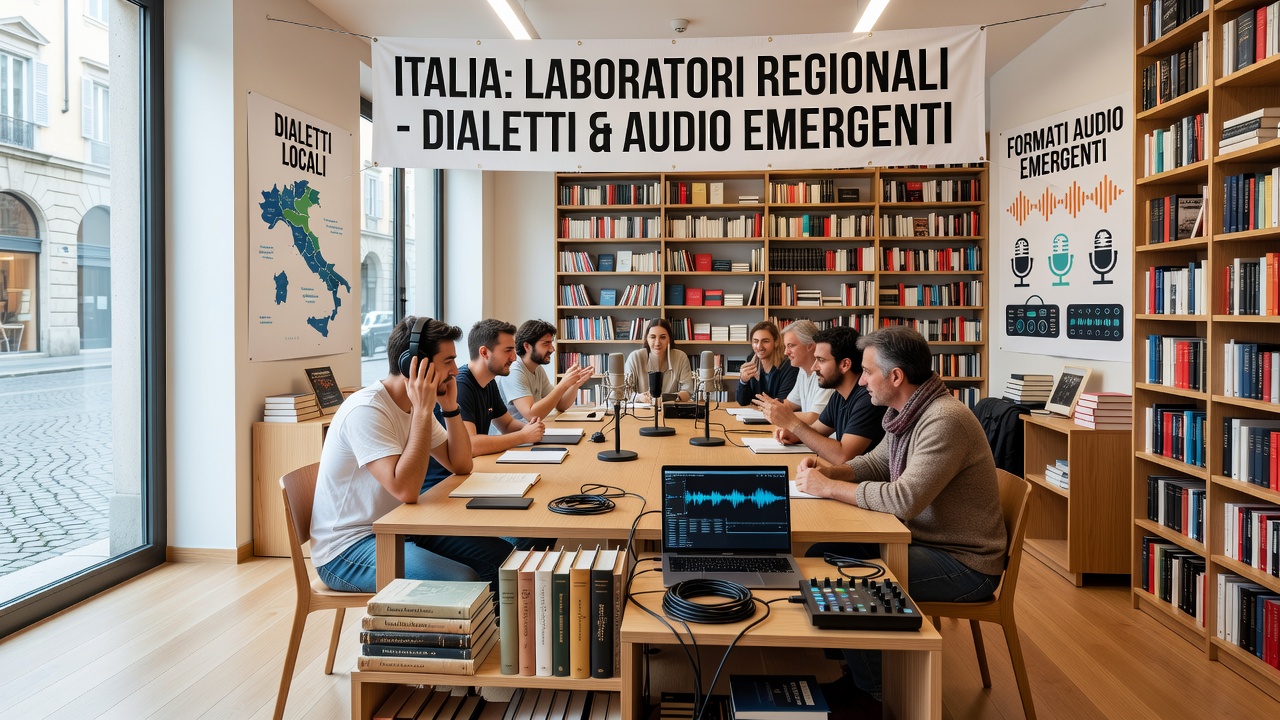
Bookshops across Italy's regions have initiated workshops that link traditional local dialects to new audio technologies, and these programs expand access to linguistic heritage through digital means. Participants explore voice synthesis tools, podcast production, and interactive audio apps while preserving phrases unique to areas like Sicily, Sardinia, and the Veneto. Data from the Italian Ministry of Culture shows that over 150 bookshops joined the initiative by early 2026, with sessions scheduled to intensify in October 2026 across multiple provinces.
Regional Dialect Preservation Through Audio Innovation
Italy maintains more than 30 recognized dialects, each carrying distinct vocabulary and phonetic patterns that differ from standard Italian, and bookshops now channel these elements into emerging formats. Workshops teach attendees to record dialect stories using mobile apps that convert speech into high-quality audio files compatible with smart speakers and streaming platforms. Observers note that this approach builds on earlier efforts by cultural associations, where researchers discovered that audio recordings increase dialect retention rates among younger generations by up to 40 percent according to studies from the University of Bologna linguistics department.
Take one bookshop in Palermo that partnered with local voice artists to develop sample audiobooks in Sicilian dialect, and the results feed into broader distribution networks. Similar programs operate in Cagliari and Venice, where facilitators demonstrate how text-to-speech engines can be trained on dialect datasets to produce natural-sounding narration. Evidence from regional cultural reports indicates that such training reduces barriers for non-native speakers who want to engage with oral traditions without requiring full fluency.
Workshop Structure and Participant Engagement
Sessions typically run for three hours and combine hands-on recording exercises with discussions on copyright for dialect content, and attendees leave with basic audio projects ready for upload to public platforms. Organizers provide equipment including microphones and tablets loaded with open-source editing software, while experts guide groups through accent preservation techniques that account for regional variations in vowel sounds and intonation. Those who've studied participation figures report that average attendance per workshop reaches 25 people, with repeat visitors comprising nearly half of total enrollment.
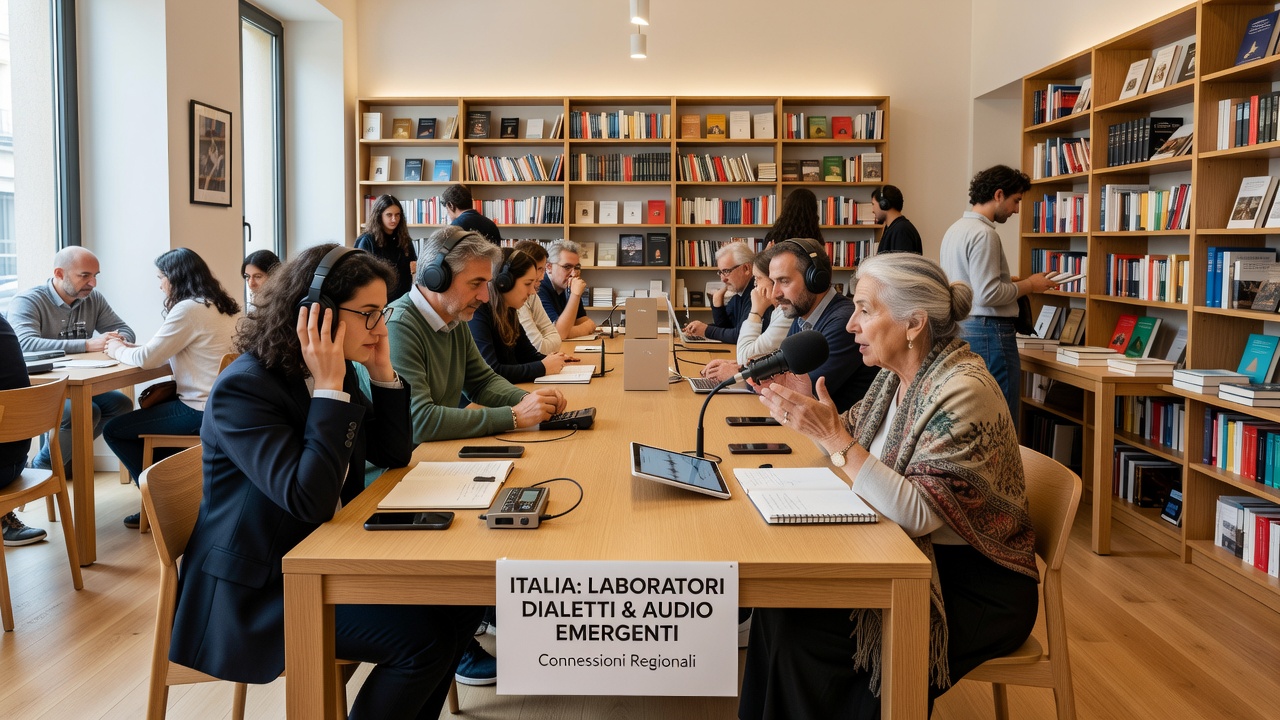
What's notable is the inclusion of collaborative projects where multiple regions contribute segments to shared podcasts, and this creates cross-dialect exchanges that highlight linguistic connections. In October 2026 several venues plan joint events timed with Italy's national language day celebrations, allowing live streams that mix Neapolitan and Emilian elements into single audio narratives. Data compiled by the European Commission on cultural heritage programs reveals that Italy leads EU member states in dialect-audio integration efforts, with funding allocated through regional development grants supporting equipment purchases and trainer fees.
Technological Tools and Format Experimentation
Emerging audio formats include spatial audio for immersive listening experiences, AI-assisted dubbing that adapts dialect scripts for international audiences, and interactive voice response systems used in educational apps. Bookshop facilitators introduce these tools gradually, starting with simple smartphone recordings before advancing to platform-specific uploads on services like Spotify and Audible. Researchers at institutions such as the Australian National University have examined similar projects worldwide, and their findings show that dialect-focused audio content achieves higher engagement metrics when paired with visual aids from local bookshops.
One workshop in Florence demonstrated how dialect poetry can be transformed into binaural recordings that simulate physical presence in historic settings, and participants then tested playback on various devices to compare quality. This practical testing helps refine techniques that maintain authenticity while meeting modern production standards. Figures released by Italy's National Institute of Statistics indicate growth in audio content consumption, with dialect-related titles accounting for an increasing share of downloads in the cultural category.
Broader Cultural and Educational Impacts
Schools in participating regions incorporate workshop outputs into language curricula, allowing students to analyze recorded dialect samples alongside written texts. Community centers use the audio archives for intergenerational events where elders share stories that get preserved in digital form. Evidence suggests these activities strengthen social ties while expanding the reach of regional identities beyond physical borders through online distribution.
Links between bookshops and technology developers have produced custom plugins for popular audio software that recognize and correct common dialect pronunciation errors during editing. Such tools lower the entry threshold for independent creators who lack professional studio access. In October 2026 expanded schedules will introduce advanced modules on metadata tagging for dialect content, ensuring better search visibility on global platforms.
Conclusion
Italy's regional bookshops continue to adapt their offerings as audio technologies evolve, and the workshops represent a structured response to demands for dialect preservation in digital spaces. Ongoing data collection tracks listener demographics and content longevity, providing insights that shape future iterations. The initiative connects historical linguistic resources with contemporary production methods, resulting in accessible archives that serve both local communities and wider audiences interested in Italy's diverse heritage.